Astro Colony Turns Space Into a Relaxed Automation Playground
This indie-built colony sim mashes together conveyor obsession, mobile base building, and light survival into a surprisingly absorbing trip through the stars. It can be rough around the edges, but the core loop of mining planetoids, expanding your station, and chasing the next layer of automation is strong enough to keep Astro Colony steadily pulling you deeper in.
last updated Jun 06, 2026
A chill, endlessly expandable space factory where exploration, colony care, and automation feed into one another in satisfying ways.
A Conveyor Belt To The Cosmos
Astro Colony understands the specific kind of brain itch that automation games are built to scratch. It begins with manual busywork like catching asteroids, drilling resources, and assembling basic production, then gradually hands those chores over to machines in a progression that feels satisfying more often than not. The hook is that all of this happens on a mobile space colony, so expansion is not just about building outward but about transforming your station into a roaming industrial beast that strips nearby planetoids for parts. That combination of colony sim, survival-lite management, and factory building gives the game its own identity even when some of its inspirations are obvious. It is not trying to be the next impossibly intricate spreadsheet simulator in a spacesuit, and honestly that lighter touch works in its favor.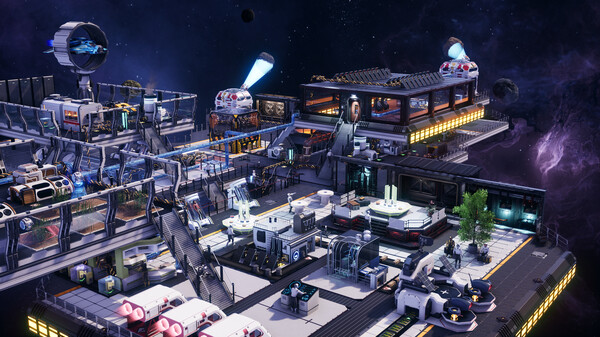
Slow Starts, Strong Payoffs
The pacing leans gentle, occasionally to a fault, especially in the opening hours when the grind can feel a little too proud of itself. Early progress asks for patience before autominers, better logistics, and broader science production kick the whole machine into life. Once those systems start layering together, though, the game becomes far more compelling, because every new unlock feeds back into a clearer, smoother production chain. Rebuilding is refreshingly painless compared to a lot of factory games that treat redesigning your base like a criminal offense, and that makes experimentation feel welcome instead of exhausting. Some later progression beats do drift toward scaling up existing science rather than introducing radically new challenges, but the core loop of improve, automate, expand, repeat remains easy to sink into for long sessions.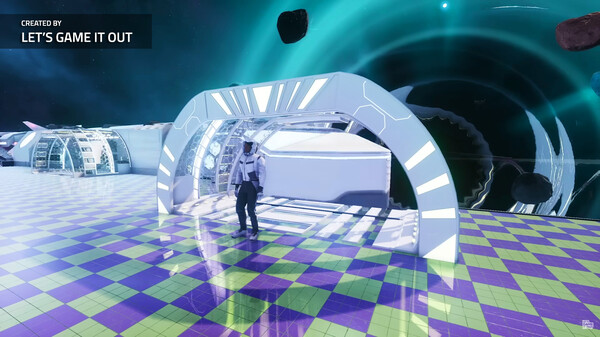
Colony Life Without The Panic Attacks
The astronaut management side adds flavor without turning Astro Colony into a punishing survival sim. You are feeding people, maintaining oxygen, and making sure your floating workforce has what it needs, but these systems generally support the automation game instead of hijacking it. That gives the whole experience a cozy, low-stress rhythm, which is a welcome change from genre cousins that seem convinced every production line should also come with emotional damage. Exploration follows the same philosophy, with space islands and planetoids serving as resource stops and expansion nodes rather than deadly gauntlets. If anything, the danger level is so mild that storms and hazards feel more atmospheric than threatening, but the upside is a game that is easy to settle into after a long day without needing a second monitor dedicated to crisis management.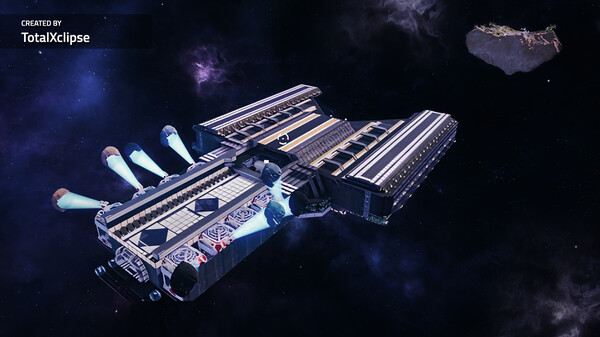
Beautiful Jank In A Vacuum
Visually, Astro Colony has a charming style that sells its space-fantasy premise well, especially when your humble starting platform evolves into a dense lattice of conveyors, modules, docks, and machinery drifting through the void. The environmental design has a playful sci-fi look, with tiny worlds, bright resources, and inviting structures that keep the tone light even when your base starts resembling a warehouse designed by caffeine. There are some rough edges in presentation, and the game can feel a little unpolished in places, but it still manages to look distinct rather than generic. Performance appears broadly solid in single-player, though there are recurring mentions of long load times on larger saves and the need for further optimization as bases grow more complex. Multiplayer, however, is where the technical picture gets shakier, with frequent reports of desyncs, crashes, and unreliable server behavior making co-op harder to recommend than solo play right now.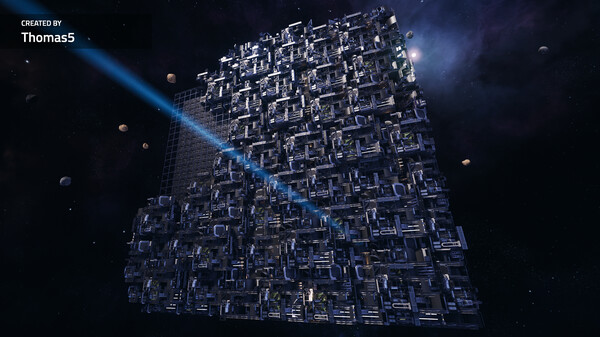
The Sound Of Industry, For Better And Worse
The audio design lands somewhere between functional and occasionally memorable. Factory noise does a decent job of making your station feel active, and there is a satisfying sense of life once production lines are humming and drones or workers are moving through your setup. The soundtrack has atmosphere, but it does not always match the relaxed tone of the game as neatly as it could, sometimes feeling more assertive than the actual moment demands. Sound balancing can also feel a little abrupt around machinery, with certain effects lacking the smoothness you would want from a game built around spending dozens of hours near your production floor. Still, the overall audio package supports the experience well enough, even if it is not the element that will be living rent free in your head afterward.
Where The Interface Pushes Back
Astro Colony is at its weakest when it asks the interface and building tools to carry too much weight. Wiring and cable management can be clumsy, some machine logic is not as intuitive as it should be, and parts of the tutorial leave too much to trial and error when a little clarity would go a long way. The game often makes sense eventually, but there are moments where getting to that understanding feels more like wrestling the toolset than learning a smart system. Common complaints around controller support are also hard to ignore, because the current implementation seems far too limited and awkward for a game that advertises partial support. None of that destroys the appeal of the automation sandbox underneath, but it does mean Astro Colony sometimes feels like it is one or two quality-of-life passes away from being significantly smoother.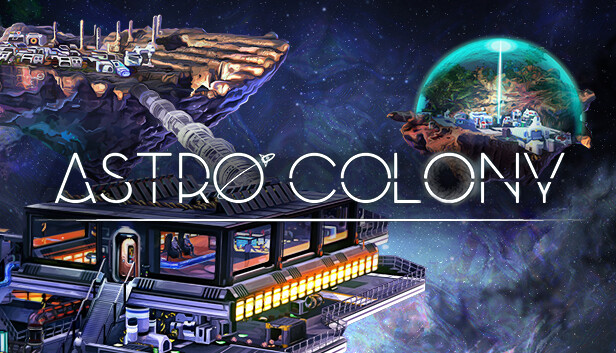
STEAM RATING
Developer & Publisher
Terad Games
Release Date
June 02, 2026
Verdict
Astro Colony succeeds because its core idea is genuinely strong: a chill, endlessly expandable space factory where exploration, colony care, and automation feed into one another in satisfying ways. It does not have the razor-sharp polish or mechanical depth of the genre’s heavyweight champions, and some quality-of-life issues, slow progression patches, and unreliable multiplayer keep it from reaching that orbit. But for a small indie production, there is a lot of heart here, along with a distinctive identity that makes the game feel more like its own thing than a bargain-bin imitation. In single-player especially, it is an easy game to lose hours to as your modest platform grows into a wandering industrial monument to bad spatial planning and very good intentions. If you can tolerate a bit of friction around the edges, Astro Colony offers a relaxed and rewarding automation sandbox that earns its place among the more interesting indie builders in the genre.