Paralives Is the Life Sim Shake-Up the Genre Needed
Even in early access, Paralives lands as a charming, deeply customizable life sim with outstanding building tools, a gorgeous art style, and just enough rough edges to remind you that ambitious indie games do not, in fact, emerge from a magic wardrobe fully polished.
Early Access Review
last updated Jun 02, 2026
Its Para creator and build mode are exceptional, and the game already feels like a genuine new pillar for the genre.
A Dollhouse With Actual Imagination
Paralives arrives with the kind of creative spark the life sim genre has been begging for, and it wastes no time showing where its strengths lie. This is a game about shaping homes, routines, personalities, and little domestic dramas, but the immediate hook is how much freedom it gives that process. Creating a Para feels tactile and playful rather than overly menu-bound, with body shaping, layering, colors, and patterns combining into a system that is both expressive and surprisingly approachable. The same goes for decorating and home design, where it becomes dangerously easy to lose entire evenings tweaking furniture dimensions, recoloring fabrics, and turning a simple starter house into an architectural vanity project. For a small team taking on a genre long dominated by bigger names, Paralives feels refreshingly confident in the spaces where it wants to stand apart.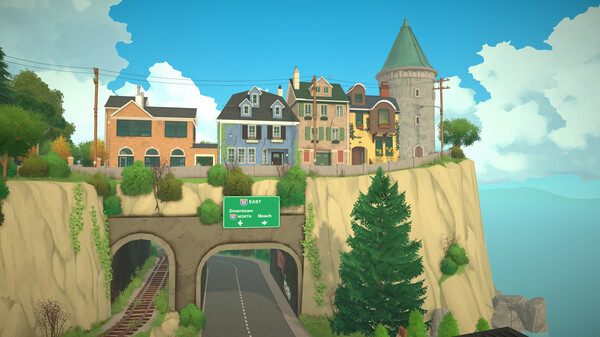
Build Mode, But Make It Dangerous for Your Free Time
The real showstopper is build mode, which is easily one of the most intuitive and empowering toolsets the genre has seen in years. Paralives understands that building should feel like play rather than paperwork, so resizing, stretching, stacking, and recoloring objects becomes second nature almost immediately. That flexibility turns even a modest selection of items into a huge creative sandbox, because the game trusts the player to make something personal instead of forcing a thousand near-identical variants into a catalog. Foundations, room shaping, clutter placement, and general layout flow feel dramatically less restrictive than genre veterans have trained us to expect, which gives home design a wonderful sense of momentum. There are still some rough edges in the current version, including occasional finicky controls and object behavior, but the underlying system is so strong that it already feels like a benchmark other life sims should be nervously side-eyeing.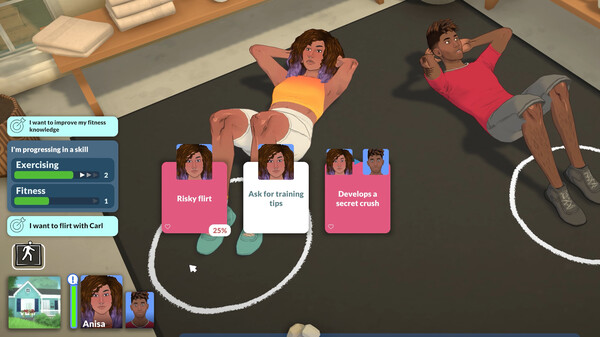
Live Mode Still Has Empty Corners
Where Paralives is less commanding right now is in live mode, which shows plenty of promise without always delivering the same consistency as its creative tools. Daily routines, socializing, skills, and relationship building have a pleasing foundation, especially because interactions feel more deliberate and less like mindless queue-spamming. The conversation card system adds a layer of attention and mood-reading that makes social exchanges feel like something to participate in rather than automate, and relationship progress generally takes more effort in a good way. There are also clever storytelling systems and life-management touches that hint at a deeper sim under the hood, but the current version can feel limited once the novelty of a new household settles. The result is a life sim that already has charm and identity, but still needs more spontaneity, more activities, and a stronger sense of everyday unpredictability to fully bring its world to life.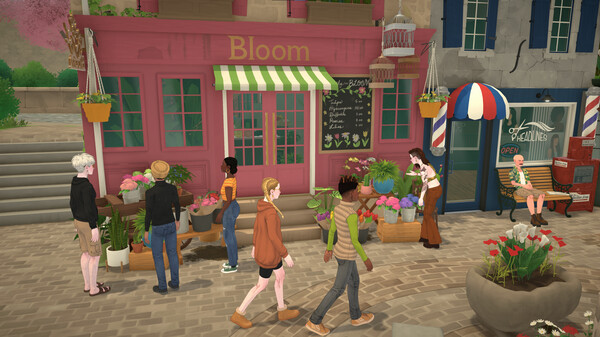
Character, Systems, and the Little Details
A lot of Paralives' appeal comes from how thoughtfully it handles the smaller systems that make a simulation feel authored rather than assembled. Skill growth has some lovely feedback, particularly when hobbies and creative pursuits visibly or audibly improve over time, making progression feel present instead of buried in a spreadsheet. Personality systems, life stages, and adjustable story settings already give the game room for experimentation, and the range of ages included this early helps households feel broader and more believable. I also like that tasks and relationships often require a little more patience and intention, which gives ordinary moments more texture than the genre usually allows. Even when some mechanics still need clearer tutorials or more developed outcomes, the design philosophy behind them is smart, and that matters a lot in early access because a strong foundation is harder to patch in later than a missing sofa set.
A Cozy World With Some Technical Growing Pains
Visually, Paralives is charming in a way that feels distinct rather than desperate to imitate realism, and that choice pays off almost everywhere. The art style has a soft, storybook quality that makes the town, interiors, and character designs feel warm and inviting, with enough stylization to give the whole world personality. There is a seamlessness to moving through spaces that helps immersion too, especially when the world flows without harsh transitions constantly interrupting the mood. Performance, however, is one of the more noticeable weak spots in this early access build, and it comes up often enough to be worth flagging. While many setups seem to handle the game reasonably well with adjusted settings, others run into stuttering, lag, frame dips, long loads, or general instability, so this is clearly an area where optimization still needs serious work.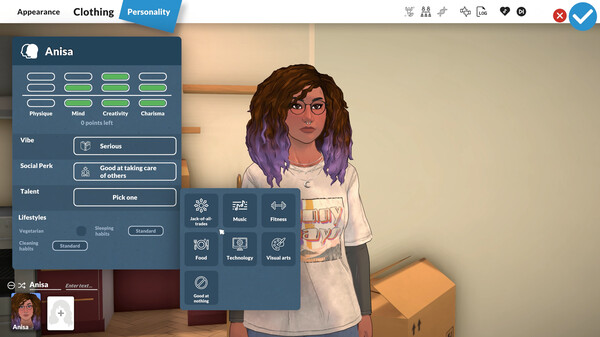
Sweet Sounds and Slightly Awkward Voices
The audio design is one of those understated successes that quietly does a lot of heavy lifting for the overall vibe. Music and ambient sound give Paralives the cozy, lived-in energy it wants, and they support the game’s softer visual identity without overwhelming it. I especially appreciate how some activities feel more rewarding because the sound design reflects progress, turning routine skill-building into something with texture and payoff. That said, vocal presentation is one of the places where the early access status shows more plainly, because conversational delivery can feel clipped and undercooked rather than naturally expressive. It never sinks the experience, but it does occasionally pull the curtain back on the systems in a way the stronger environmental audio and music usually avoid.
An Indie Sim That Actually Feels Open
One of Paralives' most appealing traits is how open it feels, not just in world flow but in philosophy. Mod support is unusually welcoming, with a low-friction approach that makes customization feel like part of the game’s identity instead of an afterthought reluctantly taped on later. That same generosity shows in how many systems encourage personal expression, from Para creation to furniture styling to the broader sandbox structure of household storytelling. It helps the game feel like it was made by people who genuinely understand what life sim fans obsess over, right down to the joy of cluttering a shelf without summoning arcane build cheats like some suburban wizard. More importantly, it gives Paralives the sense that it is trying to expand the genre rather than simply mimic the biggest name in it.
EARLY ACCESS RATING
Developer
Alex Massé and team
Publisher
Paralives Studio
Early Accesss Release Date
May 25, 2026
Verdict & Summary
Paralives is already a compelling early access life sim because it nails the hardest thing to fake: creative freedom with real personality. Its Para creator and build mode are exceptional, its art direction is warm and distinctive, and its best systems show a small team making smart, player-focused decisions instead of chasing bloat. Live mode is the obvious work in progress, with limited depth, a need for more content, and enough bugs and optimization issues to remind you that this foundation is still being actively built. Even so, the core is strong, the charm is real, and the game already feels like a genuine new pillar for the genre rather than a novelty competitor. Paralives may not be fully settled into its simulated life yet, but it already feels like the genre’s freshest address.