Solarpunk Finds Its Groove in the Quiet Spaces Between the Grind
This floating-island survival sim delivers a mellow, combat-free loop full of base building, farming, and skybound exploration, even if its pace, content breadth, and co-op features make it feel a little lighter than its price suggests.
last updated Jun 09, 2026
It creates a genuinely calming survival sandbox that makes building, farming, and tinkering feel easy to sink into for hours at a time.
A Survival Game That Runs on Vibes, Wires, and Patience
Solarpunk pitches a very specific kind of survival experience, and to its credit, it largely sticks to that promise. This is not a desperate, teeth-clenched struggle for survival, nor is it trying to sneak in combat and call it excitement. Instead, it leans hard into a cozy, low-stress rhythm built around gathering materials, growing crops, researching new tools, and gradually transforming a humble floating island into a functional home in the sky. That makes it immediately appealing if the idea of a calmer survival sandbox sounds like a relief rather than a compromise. It also means the game lives or dies on how much patience you have for slow progression, because Solarpunk absolutely believes waiting for cotton to grow is character building.
Build First, Automate Later
The best part of Solarpunk is its progression from simple manual labor into light automation and creative building. Early on, the loop can feel a bit too dependent on repetitive resource gathering, with a lot of chopping, mining, watering, and back-and-forth inventory shuffling before the more interesting systems open up. Once the electrical side of the game starts coming online, however, the whole experience gains momentum in a way that feels genuinely satisfying. Setting up drills, sprinklers, generators, solar panels, and eventually more efficient production chains gives the world a proper mechanical identity that helps it stand apart from more generic cozy crafting sims. The building tools also do a lot of heavy lifting here, because placing structures and shaping a home base is intuitive enough to be inviting, while still giving enough decorative freedom to encourage some real time-sink creativity.
Airships, Islands, and the Limits of the Horizon
Exploration is anchored by the airship, which is easily one of Solarpunk's most charming ideas and one of its most unevenly executed features. There is a real thrill to lifting off and gliding between floating islands, especially once the initial novelty of simply surviving gives way to scouting new resources and extending your reach. Flying can feel wonderfully tactile when everything clicks, and it adds an airy sense of movement that suits the game's world beautifully. At the same time, the surrounding content doesn't always give that travel enough payoff, because the islands can feel sparse, visually similar, and a little too predictable in how progression unfolds. The result is a world that is pleasant to inhabit and pretty to cross, but not always as rich in discovery as its sky-high premise suggests.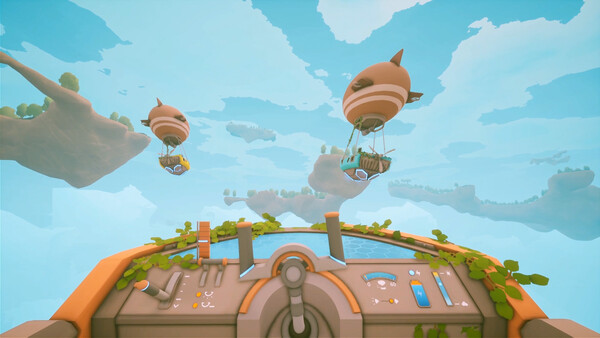
Cozy Co-op With A Few Missing Bolts
Solo play feels like the cleanest way to experience Solarpunk right now, while co-op comes across as functional but undercooked. The shared atmosphere still works nicely with another player, and the relaxed pace makes it easy to settle into an evening of gathering, building, and tending a sky farm together. The problem is that multiplayer often feels more like parallel play than truly collaborative design, with some odd limitations making themselves known far too quickly. The biggest offender is how airships are handled, since each player effectively needs their own craft instead of being able to properly travel together, which is a baffling call for a game selling a communal fantasy. Add in some common complaints around minor sync problems, awkward shared progression moments, and a general lack of polish in co-op, and this part of the package feels more like a promising framework than a fully realized centerpiece.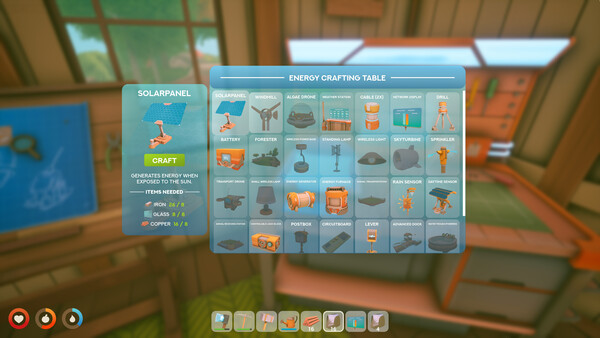
Soft Skies, Strong Style
Visually, Solarpunk nails the gentle, wholesome aesthetic it is aiming for. The floating islands, cozy homes, crops, machines, and weather effects all come together in a way that makes the world immediately readable and inviting, with a clean art direction that suits the slower pace. It is not a game built on spectacle or technical excess, but it understands mood, and that counts for a lot in a project like this. There is a slight stiffness to some animations and interactions, which can make parts of the presentation feel a little gamey in the least flattering sense, yet the overall look remains consistently charming. Performance, on the other hand, is one of the more reassuring parts of the package, with generally smooth play across a range of setups and very few widespread complaints about stability outside of occasional bugs.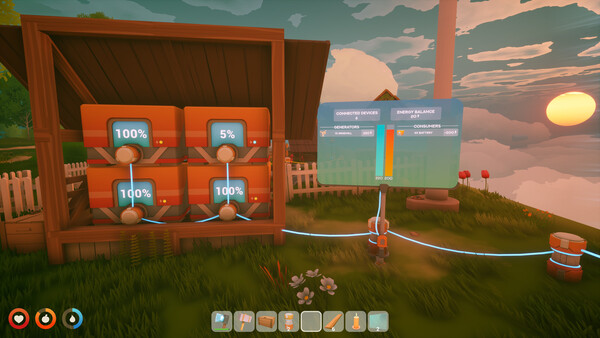
The Sound of a Peaceful Routine
The audio design serves the game well by reinforcing its laid-back identity rather than trying to constantly demand attention. Ambient effects, weather, machinery, and the general hush of the world create a soothing backdrop for long sessions of farming and building, giving the islands a welcome sense of calm. The soundtrack and soundscape are at their best when they disappear into the routine, letting the rhythm of chopping wood, placing structures, and tending crops become oddly meditative. That said, not every sound choice lands perfectly, with thunder in particular standing out as a little too aggressive compared to the rest of the mix. It is a small issue in the grand scheme, but in a game built for unwinding, being jump-scared by the sky feels slightly off-brand.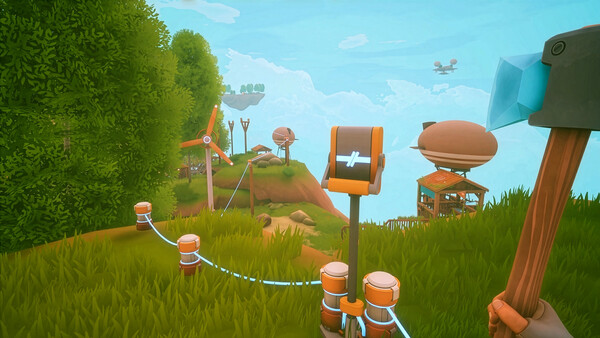
Polish, Price, and the Shape of What Comes Next
Where Solarpunk struggles most is in the gap between a strong foundation and a still-developing feature set. There is plenty to like in the core concept, and it is easy to see the care of a small team throughout the building tools, renewable-tech theme, and comforting gameplay loop. But there are also recurring signs that the game could use more content, broader island variety, stronger customization, and more quality-of-life refinement to truly feel complete at this price point. Common pain points like limited character creation, restrictive inventory handling, a lack of pause for solo players, some UI awkwardness, and occasional co-op bugs keep cropping up often enough to matter. None of that erases what the game already does well, but it does leave Solarpunk feeling less like a fully expanded skybound life sim and more like a very promising one that is still waiting for a few more upgrades.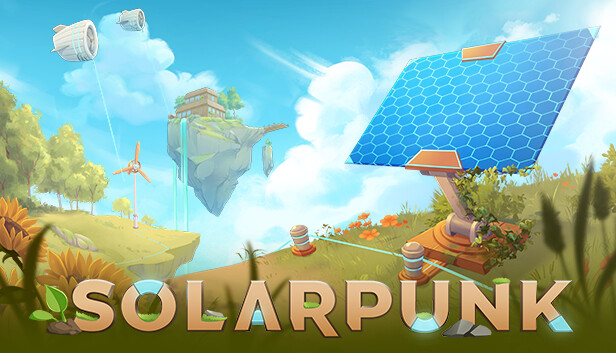
STEAM RATING
Developer
Cyberwave
Publisher
rokaplay, Metaroot
Release Date
June 08, 2026
Verdict & Summary
Solarpunk succeeds where it matters most for this kind of game: it creates a genuinely calming survival sandbox that makes building, farming, and tinkering feel easy to sink into for hours at a time. Its strongest ideas, especially the renewable-tech automation and the pleasure of shaping a beautiful island home, give it an identity that feels warm, approachable, and easy to root for. At the same time, the slower early game, limited world variety, and undercooked co-op stop it from fully reaching the heights its concept promises. This is a good game with a lovely atmosphere and a sturdy creative core, but it also feels like one that could become significantly better with continued support and a few smart quality-of-life additions. For players chasing a low-pressure crafting escape, Solarpunk already offers a relaxing place to land, even if the sky around it still has room to grow.